
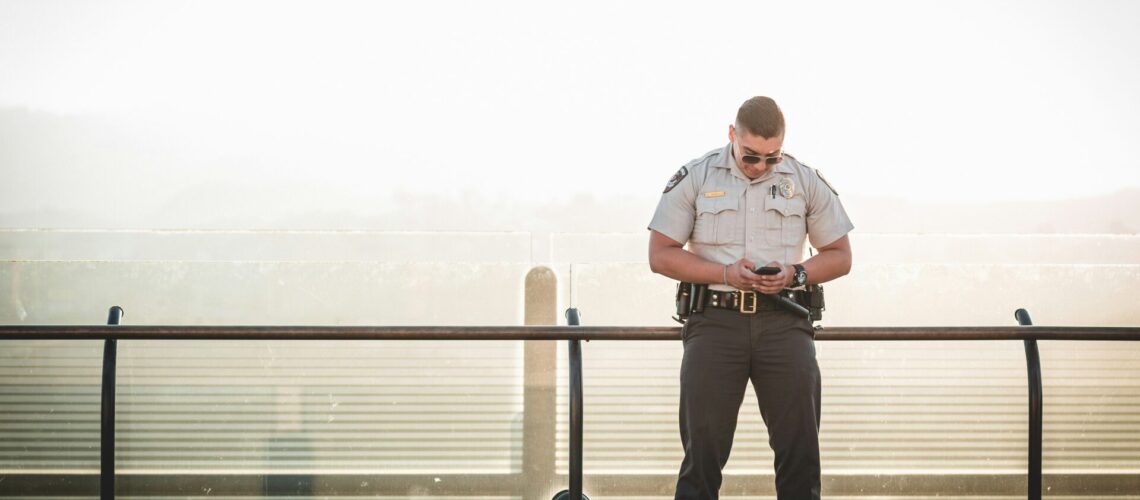
Staying safe each day does not require special tools or advanced training. It comes from simple habits. These habits help you stay aware, avoid common risks, and react faster when something feels wrong. They work at home, at work, in your car, or anywhere you go.
Security experts say most risks come from routine behaviour. People repeat the same movements, follow the same paths, and use the same shortcuts. This creates blind spots. With a few changes, anyone can improve their safety in minutes.
This guide shares practical safety habits anyone can use. They come from real experience in the field and from insights shared by leaders like Keith Fowler.
Why Daily Safety Habits Matter
Daily habits shape your safety more than rare emergencies. Most incidents happen because someone was distracted or unaware. One quick mistake can lead to a break-in, theft, or unsafe situation.
Statistics help show the impact of small habits. Forty-one percent of home break-ins happen without forced entry. Twenty-seven percent of theft incidents occur around vehicles. Over half of adults reuse the same weak passwords across many accounts. Nearly seventy percent of people have no emergency plan at all.
These numbers show how much risk comes from simple oversights. Changing a few habits gives you control and reduces stress.
Home Safety Habits
Your home should be your safest place. These habits help protect it.
Check doors and locks
Always check your doors when entering or leaving. Many break-ins happen because someone forgot to lock the door or did not close it fully. Take two seconds to pull the door after locking it.
A veteran security worker once shared that he responded to multiple calls where the front door was technically locked but not shut tight. The latch never caught. That tiny gap made the difference.
Change your entry routine
Do not follow the same routine every day. Most people walk straight in while looking at their phone. Instead, pause before opening the door. Look around. Listen for anything unusual. Keep your keys in hand.
Use lights wisely
Leave one indoor light on a timer if you are away at night. A lit room signals presence and adds a layer of safety.
Do a quick night check
Before bed, check doors, windows, and blinds. Make this part of your nightly routine. It takes less than a minute.
Vehicle Safety Habits
Cars are common targets, but small habits reduce risk quickly.
Always lock your vehicle
Even at home. Even for a quick trip inside. Many thefts happen in driveways because people assume they are safe.
One security leader shared a story about a client who lost a laptop from an unlocked car while unloading groceries. The person was gone less than half a minute. That is all it took.
Clear your seats
Do not leave bags, electronics, or valuables visible. Even a gym bag can catch attention. Put items in the boot or bring them inside.
Stay aware before entering
Before getting in your car, look around. Check both sides. Check the backseat. Awareness only takes a moment and becomes instinct with practice.
Choose safer parking spots
Pick brighter areas where you can see your surroundings easily. A few extra steps are worth the added safety.
Online and Device Safety Habits
Your phone and accounts hold personal information. Protecting them protects you.
Use stronger passwords
Short and simple passwords are easy to crack. Use longer passphrases and avoid reusing them.
Review privacy settings
Most people never check these. Spend a few minutes reviewing what information your apps or accounts share. Adjust anything that feels too public.
Log out when done
If you use shared devices, always log out. Leaving your account open creates risk.
Be careful with links
Links from unknown sources can be traps. When unsure, skip it.
Public Safety Habits
Public spaces require awareness. These habits help keep you alert.
Walk with purpose
People who appear distracted are easier targets. Walk confidently. Keep your head up. Notice your surroundings.
Avoid predictable patterns
Mix up your routes. Predictable paths make you easy to track.
Protect personal space
Step back if someone stands too close. Keep distance at ATMs, queues, or car parks.
Trust your senses
If something feels off, pause. Keith Fowler once described a moment early in his career where he stopped before entering a situation because “something felt wrong.” That pause allowed him to notice signs he would have missed. Anyone can learn this habit.
Emergency-Ready Habits
Emergencies can happen anywhere. Simple preparation helps you act fast.
Save key contacts
Have three to five emergency contacts in your phone. Label them clearly. Also write them on a small card in your wallet.
Notice exits
When you enter a new space, take two seconds to note the exits. You do not need to memorise them. Just be aware of your options.
Create a basic home plan
Everyone in your home should know one meeting spot and one backup communication method. Keep it simple and easy to remember.
Keep a small safety kit
A torch, charger, water, and basic first aid supplies can help in many situations. Store them where you can reach them quickly.
How to Build These Habits
New habits stick best when they are easy and consistent. Start with three habits. Repeat them every day for one week. Add more only when ready.
Some great starting points include locking your door every time, putting valuables out of sight in your car, and scanning a room for exits when you arrive.
These steps take seconds. The impact builds quickly.
Common Mistakes to Avoid
People often think safety habits take too much time. They do not. Most take under ten seconds.
Common mistakes include walking while glued to a phone, leaving keys in obvious places, ignoring strange sounds, sharing routines online, or trusting alarms to do all the work. Awareness is your strongest tool.
Daily Safety Starts with Simple Steps
Daily safety is not about fear. It is about smart habits. These habits protect your home, your car, your information, and yourself. They cost nothing and require only attention and repetition.
Small habits build strong protection. Pick three habits from this guide and start today. When they become natural, add more. Safety becomes second nature when you practice it every day.